A canonical data model is often described as a “common language” between systems. That definition is technically correct — and practically useless.
In retail POS, a canonical data model is the set of assumptions your enterprise makes about what a sale actually is.
It defines how transactions are understood after the receipt prints, after the customer leaves the store, and before finance, loyalty, inventory, fraud, and analytics all argue over the numbers.
In other words:
a canonical model is not an integration artifact — it’s a business contract encoded in data.
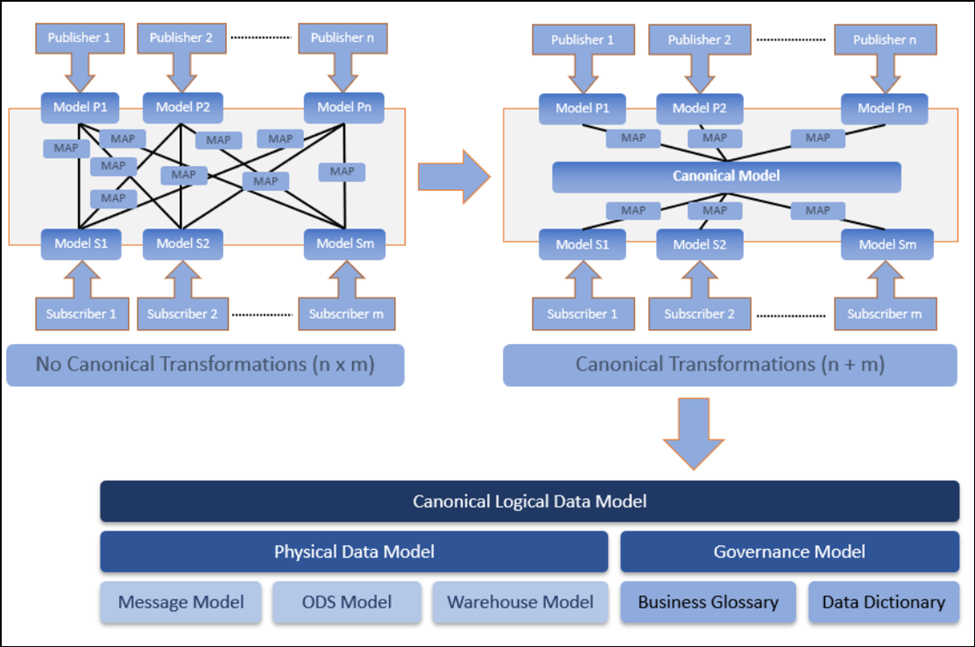
Ref: https://www.linkedin.com/pulse/canonical-models-rohan-rekhi/
The Real Problem POS Teams Are Solving (But Rarely Name)
Most retailers don’t have a single POS system. They have:
- Legacy in-store POS
- Mobile and assisted checkout
- Self-checkout
- E-commerce order capture
- Returns processed in a different channel
Each system works well in isolation. The friction appears when the business asks:
“What actually happened?”
The canonical data model is supposed to answer that.
Instead, it often becomes a source of confusion — because many models try to be neutral.
There is no neutral model in retail.
Decision #1: Fidelity vs. Simplicity
Every canonical POS model makes an early choice:
- High-fidelity models preserve every POS nuance
- Simplified models normalize everything
- Real-world failure pattern:
Returns don’t reconcile because discount allocation logic was “simplified away.” Finance spends weeks explaining a one-line variance. - Thought-leader take:
A canonical model should intentionally lose information — but only after the business agrees it’s non-essential at enterprise level. Everything else must remain traceable, even if it’s not first-class.
Decision #2: Transactions as Documents vs. Transactions as Events
Is a POS transaction:
- A receipt-shaped document?
- Or a series of events?
Retail reality says: both.
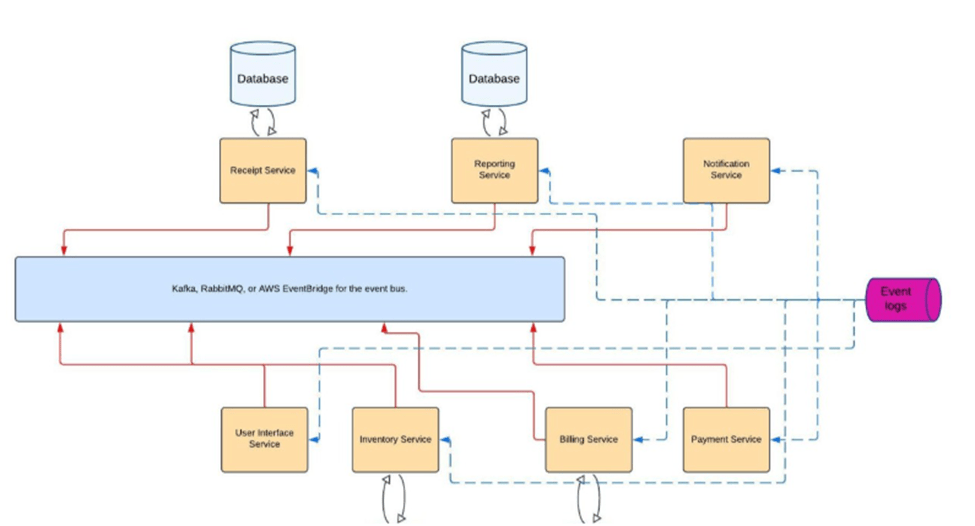
Real-world failure pattern:
A voided line item shows up as a full reversal in one system and a partial adjustment in another. Both are “correct.” Neither aligns.
Thought-leader take:
The canonical model should define a stable transaction core and allow multiple projections:
- Document view (finance)
- Event view (fraud, real-time)
- Delta view (inventory)
If your canonical model serves only one consumer well, it’s not canonical — it’s biased.
Decision #3: Global Consistency vs. Local Truth
Retailers want global models — until:
- Country-specific tax logic appears
- Promotions behave differently by market
- Returns rules diverge legally
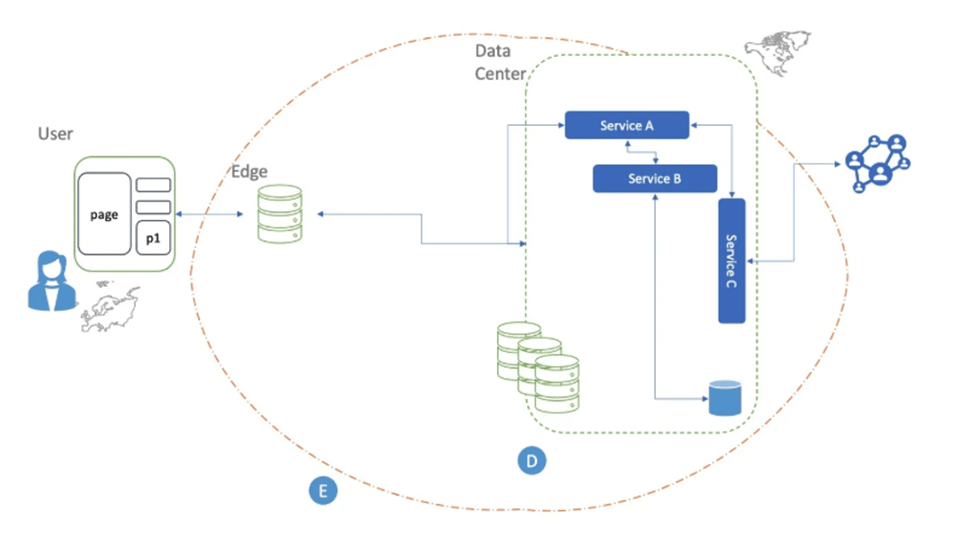
Ref: https://www.infoq.com/articles/data-patterns-edge/
Real-world failure pattern:
Audit teams reconstruct transactions from raw feeds because the enterprise model hides tax and promotion logic behind opaque extensions.
Thought-leader take:
A strong canonical POS model must be:
- Globally consistent
- Locally expressive
- Explicit about where variation is allowed
Flexibility without ownership is just deferred complexity.
The Hidden Trade-Off: Speed Today vs. Cost Tomorrow
“We’ll map source to target directly and clean it up later.”
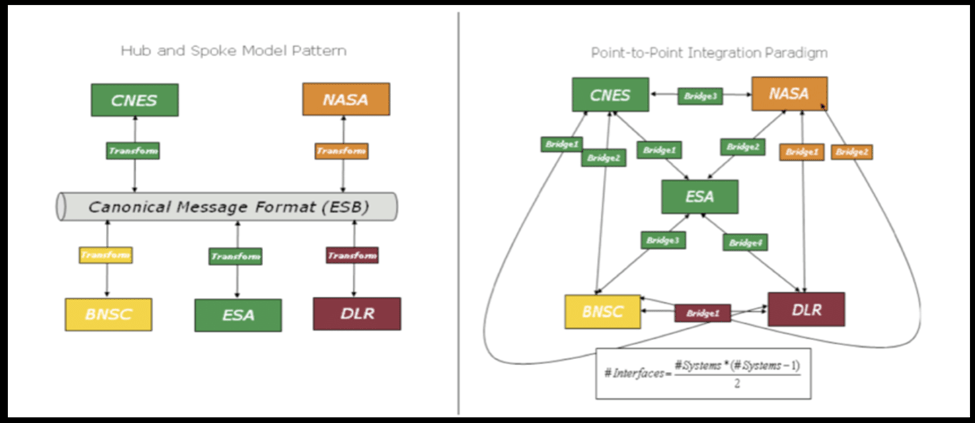
Shortcuts become:
- Bespoke transformations
- Analytics exceptions
- Reconciliation logic
- Loss of trust in data
The canonical model is where you either pay once with intent or pay forever with interest.
Final Thought: Your Canonical Model Is Your Retail Strategy
A canonical POS data model is not a schema.
It is a declaration of:
- What a “sale” means
- What consistency you value
- What complexity you tolerate
If these decisions are buried in mappings or middleware, the organization will still live with them — just without alignment or accountability.
That’s not a technical failure.
That’s a leadership one.
Author:
Pushpak Nandi
 Coffee and Concurrency
Leave a comment